
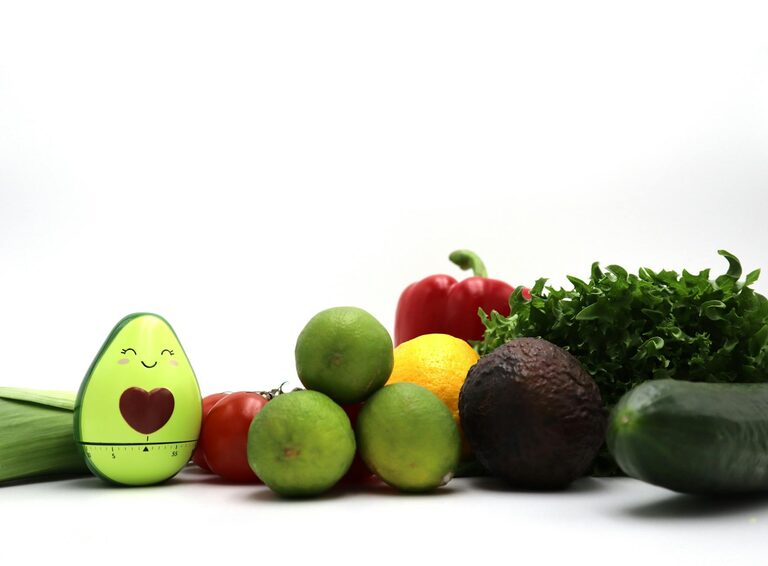
Planning balanced meals doesn’t have to be overwhelming. With a little preparation and clear guidelines, you can create meals that nourish your body and suit your schedule—all without feeling stressed. Whether you’re new to meal planning or looking to simplify the process, this guide offers practical tips on how to build balanced meals easily and confidently.
Why Balanced Meals Matter
Balanced meals provide the right combination of nutrients your body needs to function well. They usually include a mix of:
– Proteins: Support muscle health and repair.
– Carbohydrates: Provide energy.
– Healthy fats: Aid brain function and absorption of vitamins.
– Vitamins and minerals: from fruits and vegetables.
– Fiber: Helps digestion and keeps you full longer.
Eating balanced meals regularly can improve energy levels, mood, and overall health.
Step 1: Understand What a Balanced Plate Looks Like
A helpful tool is the “plate method” — imagine dividing your plate into sections:
– Half your plate: Fruits and vegetables. Aim for variety and color.
– One quarter: Lean protein such as chicken, fish, beans, or tofu.
– One quarter: Whole grains like brown rice, quinoa, or whole wheat pasta.
– Add a small amount of healthy fats like olive oil, avocado, or nuts.
This simple visual guide takes the guesswork out of portion sizes and food groups.
Step 2: Plan Ahead to Reduce Stress
Planning meals ahead saves time and frustration. Here are a few tips:
– Choose a planning day: Pick one day each week to plan your meals.
– Check your schedule: Note busy days that might need quicker recipes.
– Make a grocery list: Based on your meal plan, so you buy only what you need.
– Cook in batches: Prepare large portions of staples (like grains and proteins) to use through the week.
By organizing your meals, you’ll avoid last-minute decisions and unhealthy options.
Step 3: Keep Staples Ready for Quick Meals
Having basic ingredients on hand means you can whip up balanced meals quickly. Stock your kitchen with:
– Canned beans and lentils
– Frozen vegetables and fruits
– Whole grains (rice, couscous, oats)
– Eggs and quick-cooking proteins (chicken breasts, tofu)
– Healthy fats (olive oil, nuts, seeds)
With these staples, you can assemble a nutritious meal even on your busiest days.
Step 4: Use Simple Recipes and One-Pot Meals
Complex recipes can add stress—choose simple, flexible ones instead. Ideas include:
– Stir-fries with mixed veggies and protein
– Grain bowls with varied toppings
– One-pot soups or stews packed with vegetables and lean meat
– Salads with a protein source and whole grains
These meals are easy to prepare, require minimal cleanup, and are easy to customize based on what you have.
Step 5: Listen to Your Body
Balanced eating isn’t about perfection—focus on nourishing and enjoying your food. Pay attention to hunger cues and satiety. If you’re full, it’s okay to stop eating, and if you want a small treat occasionally, that’s part of a healthy balance too.
Sample Balanced Meal Plan for a Day
– Breakfast: Oatmeal with berries, nuts, and a dollop of yogurt
– Lunch: Grilled chicken salad with mixed greens, cherry tomatoes, nuts, and olive oil dressing
– Snack: Apple slices with peanut butter
– Dinner: Brown rice bowl with roasted vegetables, beans, and avocado
This plan combines proteins, carbs, healthy fats, and plenty of fiber-rich vegetables, with minimal fuss.
Final Tips for Stress-Free Meal Planning
– Be flexible: It’s okay to swap ingredients or meals based on preferences and availability.
– Involve family: Getting input from family members can make meal planning easier and more enjoyable.
– Avoid perfectionism: Balanced eating is about overall patterns, not single meals.
– Keep learning: Explore new recipes and ingredients gradually to avoid boredom.
With practice, planning balanced meals will become second nature—and a source of satisfaction rather than stress.
—
Planning balanced meals can be a simple, enjoyable habit that supports your health without overwhelming your day. Try these tips, and you’ll find yourself enjoying nutritious, homemade meals more often and with less stress. Happy cooking!