
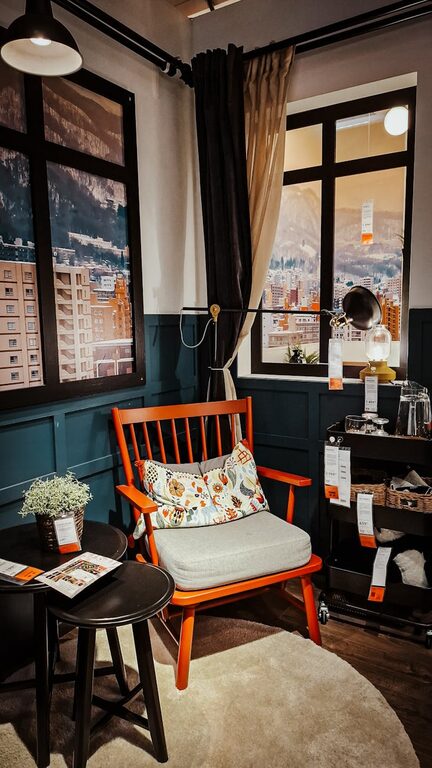
Creating a comfortable home environment goes beyond furniture and décor; lighting plays a crucial role in how we experience our living spaces. The right lighting not only adds warmth and style but also affects our mood, productivity, and overall well-being. If you’re wondering how to choose comfortable home lighting, this guide will walk you through practical tips to illuminate your home perfectly.
Why Comfortable Home Lighting Matters
Lighting influences the atmosphere and how you feel in a space. Too bright, and a room may feel harsh or clinical; too dim, and it can make activities difficult and strain your eyes. Comfortable lighting balances brightness, color, and placement to match your lifestyle and needs. It is both functional for daily tasks and gentle enough to relax under.
Understand Different Types of Lighting
Before choosing fixtures or bulbs, it helps to know the three main types of lighting:
1. Ambient Lighting
This is the general, overall illumination of a room. It provides a uniform level of light so you can see and move around safely. Examples include ceiling lights, chandeliers, or LED downlights.
2. Task Lighting
Focused lighting designed for specific activities such as reading, cooking, or working. Desk lamps, under-cabinet kitchen lights, and vanity mirrors with lights fall into this category.
3. Accent Lighting
Used to highlight artwork, architectural features, or plants, accent lighting adds depth and character to your space. Spotlights, wall sconces, and LED strips are commonly used.
Balancing these three layers results in a comfortable, versatile lighting scheme.
Tips for Choosing Comfortable Home Lighting
1. Consider the Purpose of Each Room
Each room has different lighting needs:
– Living Room: Needs a mix of ambient, task, and accent lighting to support various activities like socializing, reading, or watching TV.
– Kitchen: Bright task lighting for counters and cooking areas is essential. Ambient lights keep the space lively.
– Bedroom: Soft, warm lighting to create a relaxing atmosphere. Adjustable bedside lamps help for nighttime reading.
– Bathroom: Crisp lighting around mirrors for grooming plus softer lighting for a spa-like feel.
Tailor your lighting choices to the function of each space.
2. Choose the Right Bulb Color Temperature
Light bulbs come in different color temperatures measured in Kelvins (K):
– Warm White (2700K-3000K): Has a yellowish tone that feels cozy and inviting. Great for living rooms and bedrooms.
– Cool White (3500K-4100K): Balanced and neutral, suitable for kitchens and work areas.
– Daylight (5000K-6500K): Bright and bluish, mimics natural daylight—best used in spaces needing sharp focus like home offices or garages.
Selecting the right color temperature affects comfort and mood.
3. Pay Attention to Brightness Levels
Brightness is measured in lumens. More lumens mean brighter light.
– General guideline: Living rooms and bedrooms typically need around 1,500 to 3,000 lumens total.
– Kitchens and bathrooms may require 4,000 lumens or more for clarity.
– Use dimmable fixtures when possible. Dimmer switches allow you to adjust brightness based on time of day and activity.
Too much brightness can cause glare, while too little causes strain, so balance is key.
4. Use Multiple Sources of Light
Avoid relying on a single overhead fixture. Combining ceiling lights with table lamps, floor lamps, and wall lights creates a layered effect that can be adjusted for different moods and tasks.
5. Prioritize Energy Efficiency
Select LED bulbs, which use less energy and last longer than traditional incandescent bulbs. They also come in a variety of color temperatures and brightness options.
Using energy-saving fixtures not only reduces your electricity bills but also is better for the environment.
6. Think About Lighting Placement
Where you position lights affects how well a room is lit:
– Avoid placing lights directly overhead if they cause shadows.
– Position task lights so they don’t create glare or reflections.
– Use indirect lighting to bounce light off walls or ceilings, softening the overall effect.
Planning placement carefully enhances comfort.
7. Incorporate Smart Lighting Solutions
Smart bulbs and lighting systems let you control brightness, color, and schedules right from your smartphone or voice commands. This flexibility can improve comfort by adapting lighting to your routines and preferences.
For instance, you can program lights to dim gradually in the evening to help you wind down or brighten automatically when you wake up.
8. Consider the Style and Size of Fixtures
Lighting fixtures contribute to your decor. Choose styles that complement the room’s design and fit the scale of the space. Large, elaborate fixtures suit spacious rooms, while smaller, minimalist ones work better in compact spaces.
A comfortable atmosphere is also about aesthetics, so pick fixtures you enjoy seeing every day.
Final Thoughts
Choosing comfortable home lighting is a combination of art and science. Understanding different types of lighting, paying attention to the amount and color of light, and layering sources thoughtfully will transform your home into a well-lit, inviting space.
By following these tips, you can create lighting that supports your daily activities, enhances your home’s style, and promotes relaxation and well-being. Start with your most-used rooms and gradually experiment with different bulbs and fixtures until you find the perfect balance for your home.
Happy lighting!